Who's Filling America’s Pantry?

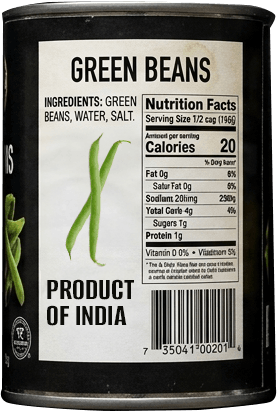
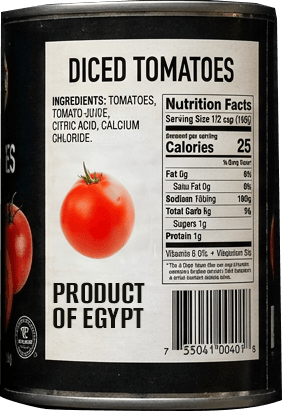
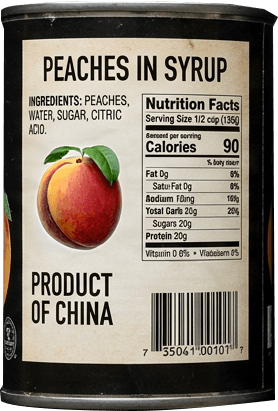
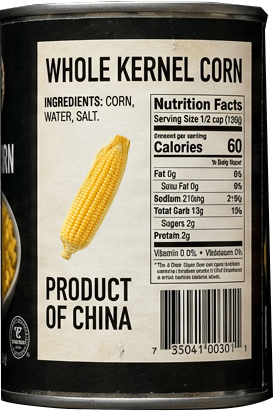
Foreign-filled canned foods are secretly and rapidly replacing American-grown and American-made products on grocery store shelves due to the unintended consequences of tariff and trade policies that disadvantage American consumers, farmers, and manufacturers.

Americans deserve clear product labeling, fair competition, and a resilient domestic food supply.

Want to support American farmers? Want to avoid eating canned food from China?

Contact Congress and urge action!

Can Can Can

How this impacts Americans

Due to harmful trade policies, America could become more dependent on foreign food supply chains, putting our nation’s food security at risk.

American Food First

Consumers

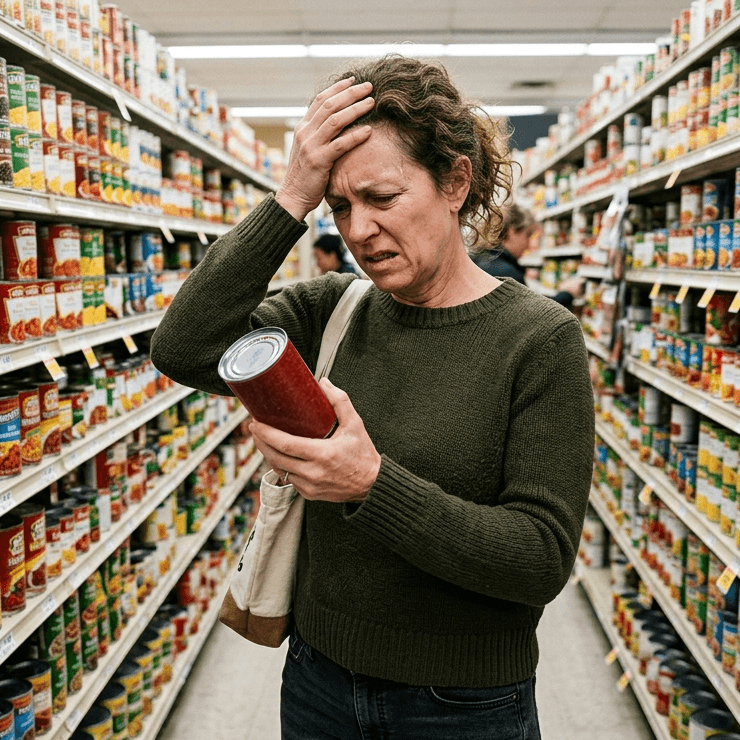
Shoppers can’t easily tell where canned foods are made, limiting transparency and making it harder to choose American-made products.

American Food First

Farmers

Foreign imports undercut domestic canned food, put pressure on American farmers, and weaken the country’s agricultural markets and rural communities.

American Food First

Manufacturers

Can manufacturers and food canners face rising costs and growing unfair competition from cheaper and lower-quality foreign-filled canned food imports, putting American jobs in jeopardy.

The Solution

Right now, tariffs and trade loopholes make it cheaper and easier to import foreign-grown and foreign-filled food cans than to grow, harvest, and can American food, right here in the USA.

That hurts American consumers and families, farmers and food canners, manufacturers, and workers.

Congress and the White House CAN fix this problem.

Can Product 1

C

Close Tariff Loopholes

Imported canned foods face a significantly lower tariff cost than U.S. canned foods, giving foreign producers an unfair advantage.

Closing these loopholes helps level the playing field for American-made food.

Can Product 1

A

Assign Labels

Consumers deserve to know where their food comes from.

Simple, prominent country-of-origin labels on imported canned foods help shoppers see whether food was grown, packed, and canned in America or imported from overseas.

Can Product 1

N

Nourish American Manufacturing and Buy American

When food is grown, canned, and sold in America, it supports American farmers, American-made products, manufacturing jobs, resilient supply chains, and a stronger economy and food security.

Key Facts

Tinplate steel is used to make steel food cans, and U.S. tinplate steel production capacity has declined from 12 production lines in 2018 to just 3 today.

- Can Manufacturers Institute

Tinplate steel is used to make steel food cans, and U.S. tinplate steel production capacity has declined from 12 production lines in 2018 to just 3 today.

- Can Manufacturers Institute

15 fruit and vegetable canneries have closed in the U.S. since 2018, reducing domestic processing capacity.

- American Fruit and Vegetable Coalition

The United States became a net agriculture importer in 2019, increasing reliance on foreign supply chains and exposure to geopolitical and supply chain disruptions.

- USDA

50% of canned peaches sold in the U.S. are now foreign-sourced, up from one-third in 2017.

- California Canning Peach Association

China’s canned pea exports to the United States increased 96% from 2019–2025, reflecting rapid market expansion.

- Census Bureau

A U.S.-produced can of sweet corn costs a retailer approximately $0.70, compared to about $0.40 for a delivered Chinese imported can of sweet corn.

- Can Manufacturers Institute

A U.S.-produced 24-ounce can of tomato sauce costs a retailer at least $1.19, compared to at most $0.89 for an Egyptian import.

- Can Manufacturers Institute

Americans consume an average of 5.5 cans of fruits and vegetables per week, underscoring the essential role canned foods have in our cupboards, diets, and pantries.

- Can Manufacturers Institute

Approximately 98% of Americans keep canned foods in their kitchens.

- Can Manufacturers Institute

According to a Real Clear Opinion Research poll, about 90% of survey respondents say it is important that the U.S. produce its own food, including canned goods.

- RealClear Opinion Research

Tariffs on tinplate steel are set at 50%, increasing input costs for domestic can manufacturers.

- White House

Tinplate steel is used to make steel food cans, and U.S. tinplate steel production capacity has declined from 12 production lines in 2018 to just 3 today.

- Can Manufacturers Institute

Tinplate steel is used to make steel food cans, and U.S. tinplate steel production capacity has declined from 12 production lines in 2018 to just 3 today.

- Can Manufacturers Institute

15 fruit and vegetable canneries have closed in the U.S. since 2018, reducing domestic processing capacity.

- American Fruit and Vegetable Coalition

The United States became a net agriculture importer in 2019, increasing reliance on foreign supply chains and exposure to geopolitical and supply chain disruptions.

- USDA

50% of canned peaches sold in the U.S. are now foreign-sourced, up from one-third in 2017.

- California Canning Peach Association

China’s canned pea exports to the United States increased 96% from 2019–2025, reflecting rapid market expansion.

- Census Bureau

A U.S.-produced can of sweet corn costs a retailer approximately $0.70, compared to about $0.40 for a delivered Chinese imported can of sweet corn.

- Can Manufacturers Institute

A U.S.-produced 24-ounce can of tomato sauce costs a retailer at least $1.19, compared to at most $0.89 for an Egyptian import.

- Can Manufacturers Institute

Americans consume an average of 5.5 cans of fruits and vegetables per week, underscoring the essential role canned foods have in our cupboards, diets, and pantries.

- Can Manufacturers Institute

Approximately 98% of Americans keep canned foods in their kitchens.

- Can Manufacturers Institute

According to a Real Clear Opinion Research poll, about 90% of survey respondents say it is important that the U.S. produce its own food, including canned goods.

- RealClear Opinion Research

Tariffs on tinplate steel are set at 50%, increasing input costs for domestic can manufacturers.

- White House

In The News

California farmers must destroy 420,000 peach trees after Del Monte closes its canneries

Tariffs have raised input costs and priced some American growers out of global markets...

Learn More

Del Monte collapse leaves California peach growers stranded. ‘No place else to go’

Adding to the challenges faced by the peach industry is a 50% steel tariff imposed by President Donald Trump...

Learn More

STEPHEN MOORE: This tariff is an expensive gift to China and our families will pay for it

As costs for the U.S. canned food industry have increased, American producers are being undercut by foreign-filled canned goods...

Learn More

Tariffs, Food Security & the Future of American Manufacturing

How does a tariff on steel end up affecting the price of canned food at the grocery store?...

Learn More

Tariffs on imported steel

Tariffs are giving a marketplace advantage for foreign filled foods...

Learn More

There’s A Small Flaw In Trump’s Tariffs, But It Can Be Fixed

China and other global producers are actively expanding their footprint in both tinplate and finished canned goods...

Learn More